The Beauty of Cedar
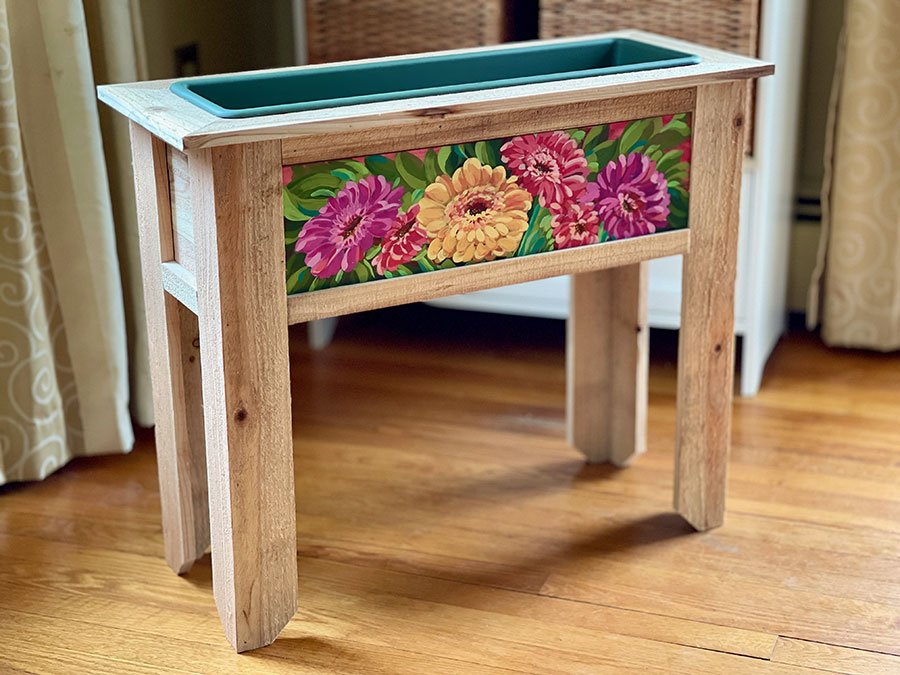
Our garden boxes are crafted from untreated Western Red Cedar, chosen specifically for its
natural resistance to rot, insects, and decay. Cedar contains natural oils that protect the
wood without the need for chemical treatments, making it an ideal choice for vegetable and
herb gardens.
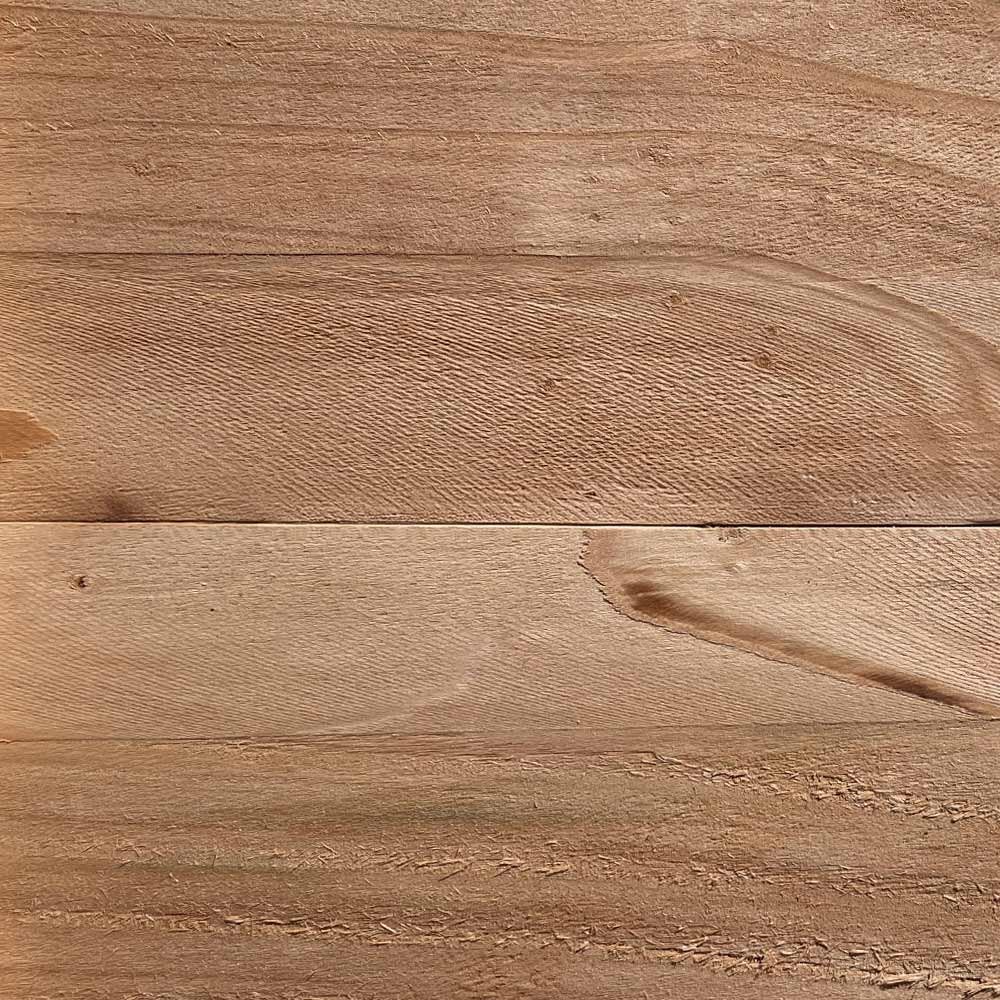
When new, cedar displays a warm, reddish-brown hue with distinctive grain patterns. Over time,
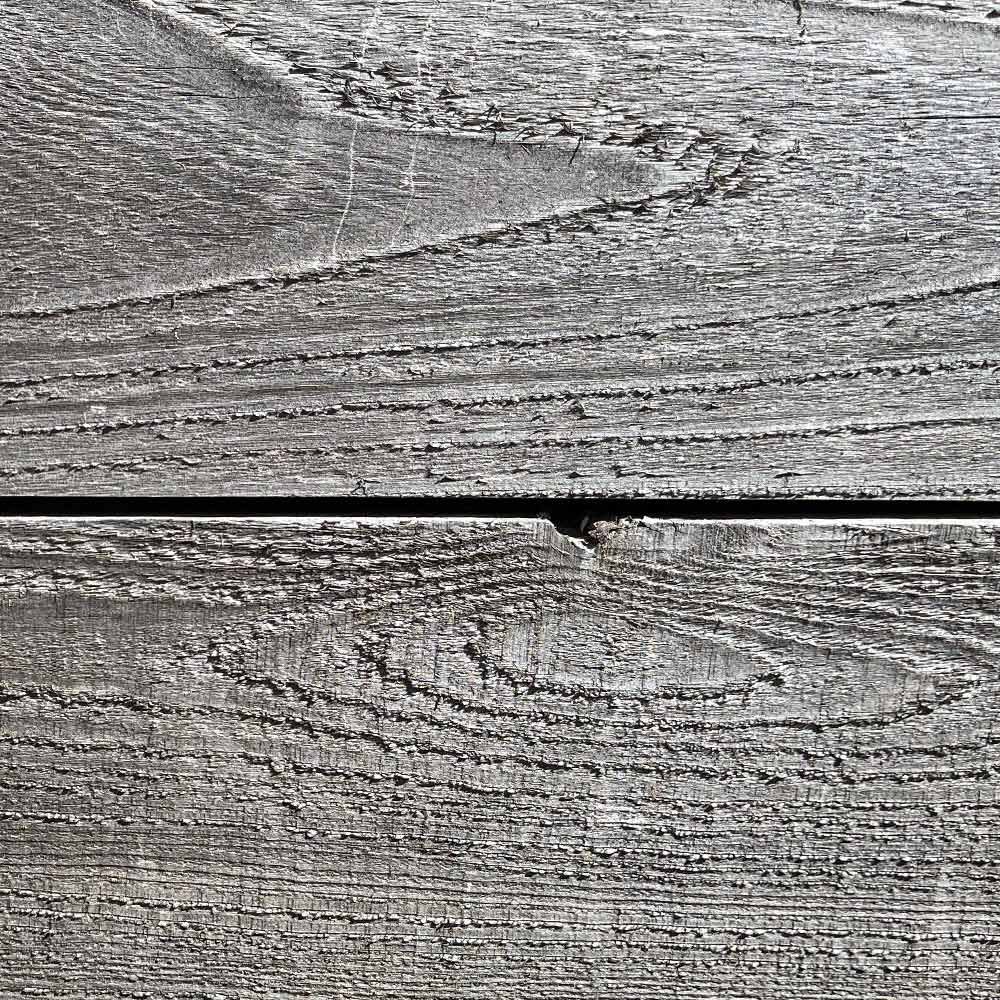
if left untreated and exposed to the elements, cedar naturally weathers to a beautiful silvery-gray
patina. This aging process doesn't affect the wood's durability or structural integrity — in fact,
many gardeners prefer this natural, weathered look.
Preserving Cedar (Optional)
While cedar naturally resists decay, some gardeners prefer to preserve the original color or add
additional protection. If you're growing vegetables or herbs, it's important to use food-safe finishes.
Here are our recommendations:
- Pure Tung Oil - A natural, food-safe finish that penetrates the wood and hardens to create a water-resistant barrier while maintaining the natural look of the cedar.
- Food-Grade Linseed Oil - Also known as flaxseed oil, this natural product enhances the cedar's color while providing moderate water resistance.
- Beeswax - Can be applied over an oil finish to provide additional water resistance and a subtle sheen.
- Cedar Cap Protectors - For raised beds, adding cedar caps to the top edges can protect the most vulnerable parts of the wood from moisture while adding a decorative element.
Whichever option you choose, we recommend reapplying every 1-2 years for optimal protection and appearance.
If you prefer the natural aging process, no treatment is necessary — your cedar garden box will develop
its silver patina over the course of about a year in full sun exposure.